

Protecting Voter Access - Illinois Primary Election 2026
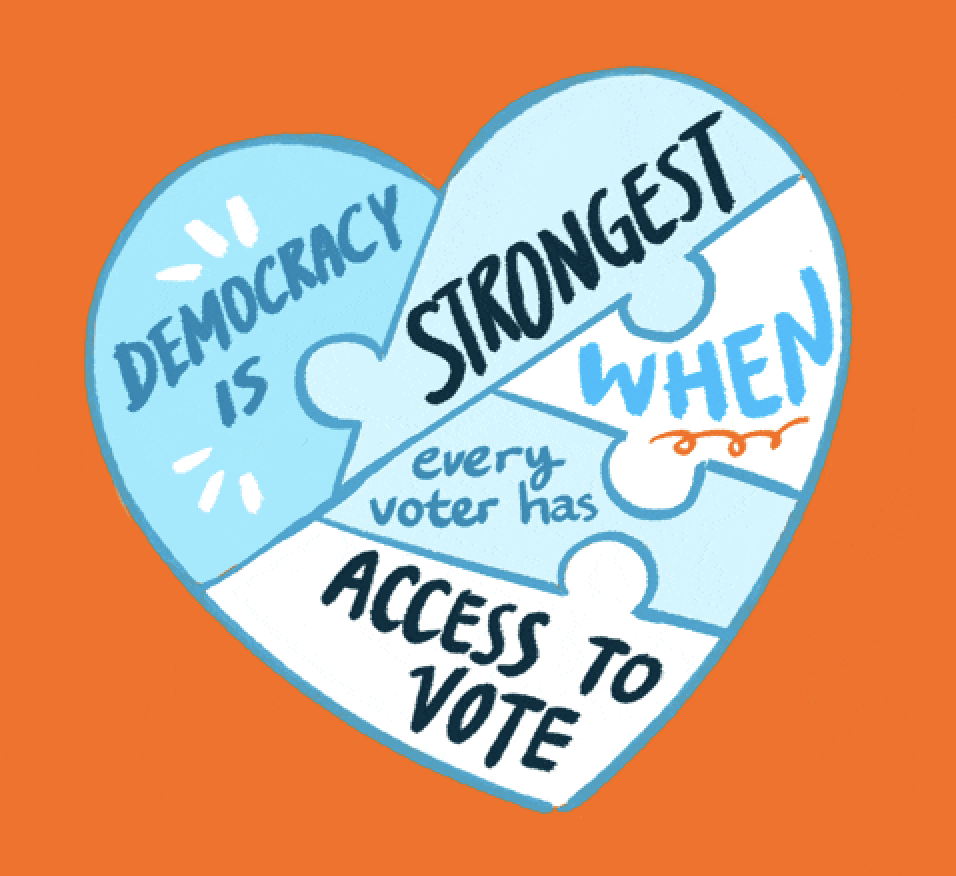
On March 17, voters across Illinois showed up to the polls to vote in the primary election.
Despite frigid temperatures, nearly 400,000 ballots were cast in Chicago alone, representing 25% of the city’s more than 1.5 million active registered voters.
This election cycle has been particularly marked by undermining of elections by the Presidential administration, including misinformation, disinformation, and ongoing threats to fair and free elections. To protect voter access and voter safety, Chicago Lawyers’ Committee for Civil Rights, Illinois Coalition for Immigrant and Refugee Rights (ICIRR), and Asian Americans Advancing Justice Chicago joined efforts to serve as a reliable, nonpartisan resource for voters on Election Day.
Chicago Lawyers’ Committee mobilized nonpartisan Election Protection volunteers, who fielded calls throughout the day to the 866-OUR-VOTE hotline on Election Day. In addition to running the hotline, our team also deployed field volunteers who assisted voters across polling places in Chicago and five Illinois suburban counties.
During early voting, Chicago Lawyers’ Committee assisted voters in pretrial detention at the Cook County Jail and Will County Adult Detention Facility. Serving as nonpartisan pollwatchers within those facilities, we advocated to election officials and helped to resolve issues impacting voters’ ability to cast a ballot. We also responded to voter inquiries and resolved challenges at early voting polling places, including Chicago Votes’ Parade to the Polls.
On Election Day, voters contacted our organizations throughout the day with a number of concerns, including:
Electioneering
A lack of translated ballots and bilingual election judges where required
Improper requests for identification to enter polling places
Police presence at polling locations that caused confusion, discomfort, and, in some cases, intimidation for voters
We responded quickly to issues, advocated to election officials where needed, and followed up with voters to reassure them that the issue had been resolved.
Some voters were disenfranchised by late opening or early closing of polling places. One voter arrived at her polling place at 6:56 p.m., but the doors were locked, the signage had been taken down, and a security guard at the building informed the voter that election judges were already packing up. After trying repeatedly, this voter did not get to cast her ballot and expressed that she was distraught over this outcome. Voters who are in line at their polling place by 7:00 p.m. on Election Day should be able to cast their ballot. Whether opening late or closing early, a few minutes can mean the difference between voters casting their ballots or being disenfranchised.
Another issue that came up for voters was confusion over the ballot selection process for primary elections. Many voters expressed frustration with limited party options for their ballot or with the process required to change their choice of which party’s ballot they wanted. In some cases, this process was so confusing and arduous that it caused voters to not be able to vote, despite trying very hard to get help.
One voter expressed relief for finding the 866-OUR-VOTE hotline because they could not “find anything helpful until Googling and finding Election Protection today.” The caller was concerned that campaigning right outside the polling place door (in the campaign-free zone) was illegal. In many locations, illegal electioneering and intimidation would have persisted without a resource like Election Protection.
With Immigration and Customs Enforcement (ICE) agents still present in Illinois and the federal administration’s continuous attempts to undermine elections across the country, ICIRR served voters through the Family Support Network Hotline (855-435-7693), which had operators at the ready to receive reports from voters of ICE presence at polling places across Illinois and field calls throughout the day.
The team with Asian Americans Advancing Justice | Chicago’s poll watching program supported widespread monitoring of language access across the region to ensure eligible voters could cast their vote. Historically, immigrant and limited English proficient voters face many barriers to exercising their right to vote, including lack of translated information, discriminatory voting restrictions, such as literacy tests, and outright intimidation or harassment.
Chicago Lawyers’ Committee was proud to collaborate with ICIRR and Asian Americans Advancing Justice | Chicago to support voters. Read more about this collaboration in WTTW here.
We wouldn’t have been able to help voters exercise their right to vote this election cycle without the tremendous support of our staff, volunteers, community partners, and the numerous law firms that recruited volunteers and contributed to Election Protection. Election Protection is truly a people-powered initiative. We are grateful for our continued collaboration with partners including national Lawyers’ Committee for Civil Rights Under Law, Illinois Coalition for Immigrant and Refugee Rights, Asian Americans Advancing Justice | Chicago, Chicago Votes, and many more.
To our incredible volunteers and partners: You were the front lines of democracy this election. As new barriers arise, we must continue to create solutions that address these issues at a systemic level. Every Election Protection effort helps us learn directly from voter experiences on the ground and informs our fight for justice going forward. Every voter you helped is fuel for our next fight. Together, we will continue this important work protecting voter access and the right to free and fair elections.